
Distributed Energy Resources are reshaping how Australian businesses power their operations — shifting from passive grid consumers to active, self-sufficient energy participants.
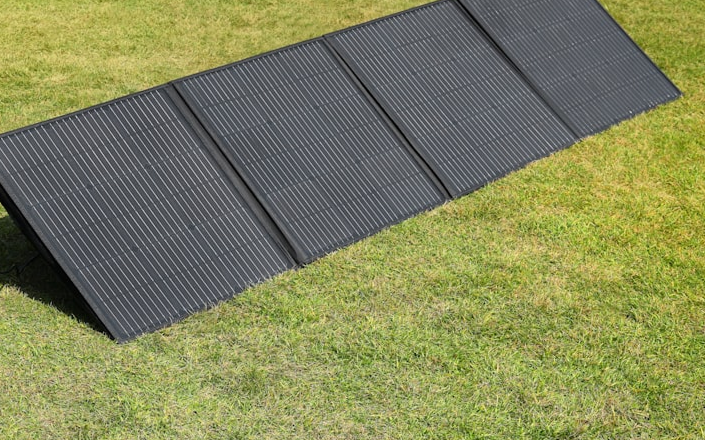
Distributed Energy Resources (DERs) are energy assets located at or near the point of use — solar PV, battery storage, backup generation, and controllable loads. Unlike centralised power plants, DERs put generation and control in the hands of the asset owner, enabling smarter, more responsive energy management on-site.
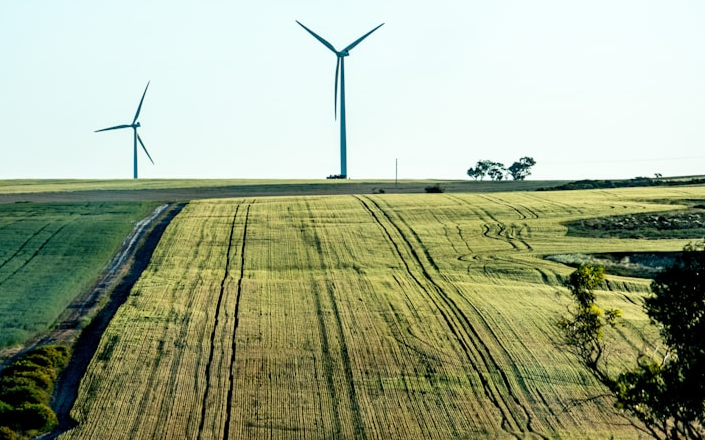
Australia's grid is undergoing one of the fastest energy transitions in the world. High electricity costs, increasing renewable penetration, and grid instability create both pressure and opportunity for businesses. DERs allow commercial, industrial, and remote sites to reduce exposure to volatile energy prices, improve resilience, and — when properly engineered — generate new revenue through market participation.

A VPP connects multiple distributed assets — solar, batteries, and loads — into a single, coordinated energy resource. Instead of each site operating in isolation, your assets work as a fleet, responding to grid signals and market opportunities in real time to generate revenue you'd otherwise leave on the table.

FCAS markets pay asset owners to help stabilise the grid's frequency — responding in seconds when supply or demand shifts. For C&I and industrial sites with battery storage, FCAS participation can generate consistent ancillary services revenue alongside normal operations, often with minimal impact on core energy use.

When your site is engineered into a VPP with FCAS capability, you unlock multiple simultaneous value streams: energy arbitrage, network demand management, and ancillary services — all from the same asset. One Loop designs and integrates the controls and EMS layer that makes this possible, reliably and within Australian market rules.

Insights

April 28, 2025
Insights
April 28, 2025

Insights
April 28, 2025

Lorem Ipsumis simply dummy text of the printing and typesetting industry.

Lorem Ipsumis simply dummy text of the printing and typesetting industry.

Lorem Ipsumis simply dummy text of the printing and typesetting industry.

Lorem Ipsumis simply dummy text of the printing and typesetting industry.

Lorem Ipsumis simply dummy text of the printing and typesetting industry.

Lorem Ipsumis simply dummy text of the printing and typesetting industry.

In most cases, yes. We assess your existing assets first and design the most cost-effective integration path rather than recommending a full replacement by default.
Yes. We handle the full compliance pathway — DNSP approvals, commissioning documentation, and any market registration required for your system to operate legally and optimally.
No. We are hardware-agnostic. We select equipment based on your site requirements, performance specifications, and budget — not supplier agreements.
We start with your load data, energy bills, and operational requirements. Every system is sized through detailed modelling and simulation before any equipment is specified.
We provide performance monitoring, operational reporting, and strategy optimisation as an ongoing service — because a system that isn't continuously tuned rarely performs to its full potential.